

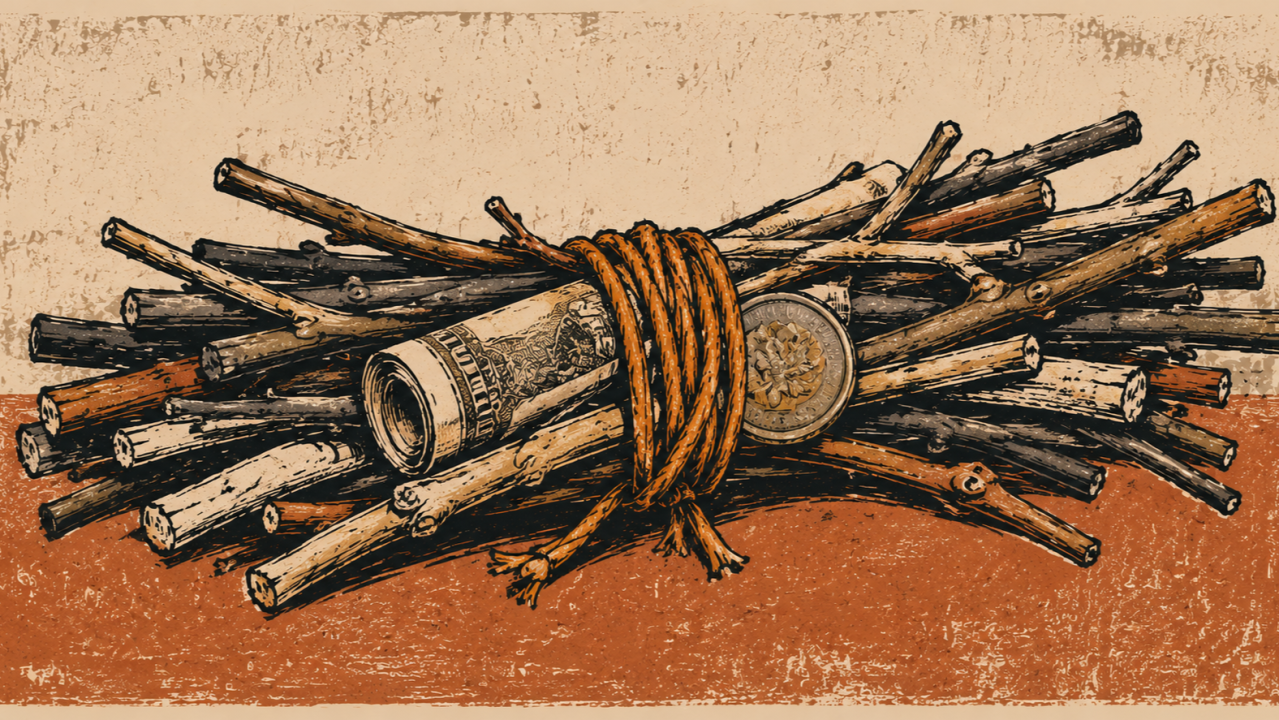
Philanthropy, of course, isn’t just about the philanthropist. But neither should it just be about other people.
I touched on this back in June, but I think the idea deserves a fuller treatment.
In order for any good deed to be sustainable, the philanthropist has to be encouraged and motivated. And ideally, giving is engrained in the ethos of an institution, rather than dependent on the drive and presence of a single individual.
Families sustain philanthropy, and philanthropy builds families.
What Financial Capital Can’t Do
Family offices and the private wealth industry are traditionally about preserving and growing financial capital. Think of all the related activities and services on offer: trusts, investments, tax efficiency, insurance, pre-nups, and structures that keep wealth and control within the family.
All of this calls for a further question: preserve and grow financial capital — to what end? Is financial capital the only wealth we treasure?
Most of us are attached to our family, though not without dilemma and conflict, to different degrees. There are biological and sociological reasons for this: we want those who share our genes to flourish. And because we live in a world where people are highly interdependent, being part of a prosperous and trusting family is one of the best ways to ensure our own survival and growth.
But you can never grow and keep a family just by throwing money at them. It’s a sad fact that money is often divisive. Whether it’s the primogeniture or the partible inheritance system, the idea is to minimise conflict when wealth is passed on, rather than to create synergy among the next generation.
The common practice of letting daughters and sons take charge of different family businesses is also about keeping the peace, more than it is about building a more coherent family.
Social capital is a wonderful concept here. Families do not flourish simply by having a great deal of money. Attachment and commitment to society gives family identity and strength, providing cohesion and purpose.
How the Glue Gets Made
Philanthropy is a great way of creating social capital. We’re not talking about writing cheques and wishing the nonprofits you help the best of luck. Philanthropy that creates social capital involves long-term and in-depth learning, commitment and contribution — for example:
- Learning about the causes you care about: speaking to the people involved to understand their passion and challenges, and becoming a volunteer if possible, to know more and to build trust.
- Working with nonprofits to develop the project plans you aim to fund: listening to their needs and experience, and collaborating to build the final plan.
- Connecting your family, colleagues and friends to nonprofits you trust: acting as a convenor of resources, connections and knowledge.
With some of these philanthropic projects carried out and social capital created, the family “glue” is ready to be deployed. Here are a few examples I know of, where philanthropy has built a family’s relationships and identity:
- Family members gather twice a year, in the name of their great-grandfather, to decide on donations from the family foundation. They are a large family with an array of businesses spanning several countries. The fourth generation shares little in common beyond their family name. Without the family philanthropy that forms their shared identity, many of them would not otherwise cross paths.
- A family sets aside a pot of money every year from the family’s assets, for the younger generation to decide on philanthropic projects to support, within guardrails set by the family as a whole. The cousins get together to learn about philanthropy and family values, and to collaborate and make decisions as a team.
- Another family has been a long-standing supporter of causes close to their hearts. They regularly bring the next generation to project visits, to observe, learn and meet staff, volunteers and members of the community. They teach the younger generation by example how to be kind and humble, and the young people see the family ethos in action with their own eyes.
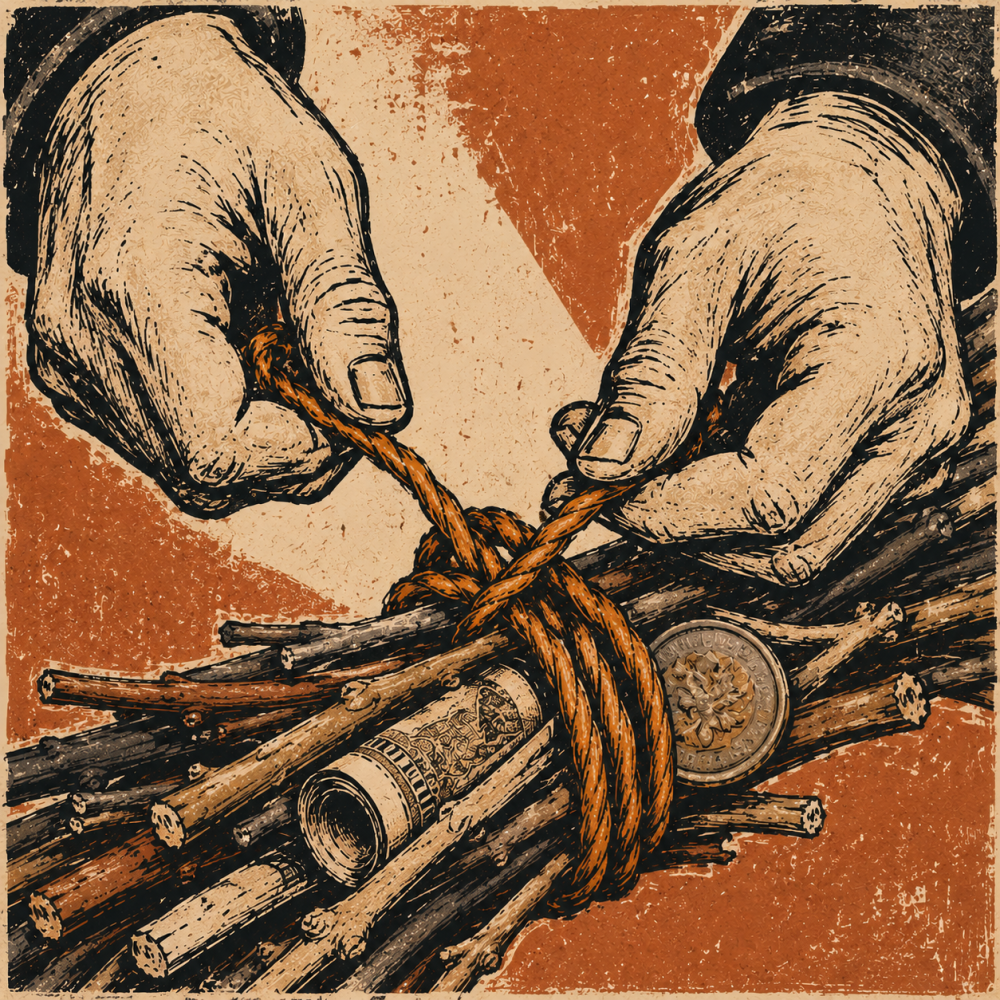
In my own practice, I work alongside other experts in family and private wealth, advising clients on what matters to the wellbeing of themselves and their family. My perspective has always been: don’t forget about the world, the society and the community you live in. The social capital you create forms a key part of succession, legacy and the preservation of your wealth.
What I’m Reading
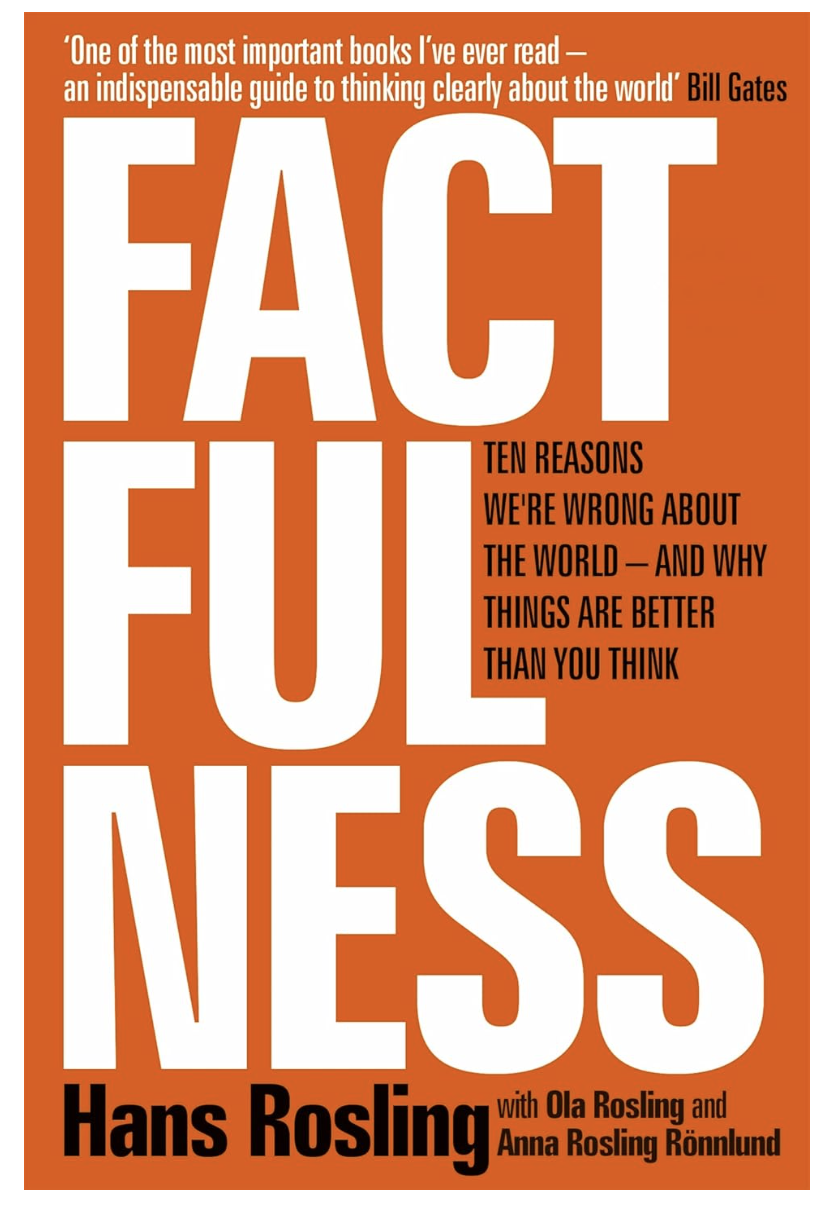
Factfulness by Hans Rosling, with Ola Rosling and Anna Rosling Rönnlund
This month I’m re-reading the book. When I was in Iceland earlier in August, I read elsewhere that the country’s widespread poverty is still a living memory. It brought Factfulness back to mind.
Hans Rosling, a physician and statistician, argues that most of us hold a far more dramatic and pessimistic view of the world than the data actually supports. The book identifies ten deep-seated instincts — among them the tendency to divide the world into two opposing groups (developing and developed countries), to assume trends like population growth will continue in a straight line, and to focus on the negative. Rosling shows, through decades of survey data, that most people consistently underestimate how much the world has improved: extreme poverty has fallen sharply, and the old picture of a world split between “developed” and “developing” countries is decades out of date.
Philanthropy is about tackling the world’s issues, but it is also about optimism — the belief that with the right resources and the right method, things will change for the better, one thing at a time. Sometimes these are less a problem to be solved than a promise to be fulfilled: if we support a programme that promotes creative writing, we are not so much solving a creativity problem as bringing the creative writer out of people.
When I speak to my parents, or watch old films, I often realise how far the world has moved on without me being conscious of it. Despite the setbacks and hiccups we have experienced, there are countless people who have worked toward a better world. Philanthropists aim to be part of that effort.
What Happened This Month
On 13 August 2026, the OpenAI Foundation launched “AI for Civil Society and Philanthropy,” a new programme dedicated to putting advanced AI to work on challenges facing communities today, built around three priorities: deploying AI within essential services, equipping civil society organisations with the tools and expertise to adopt it responsibly, and building shared infrastructure so that lessons and tools can benefit the wider social sector. Its first partnership is a $100 million commitment to the Common Health Coalition to launch “Breakthroughs to Follow-Through,” an effort using AI to help ensure existing medical treatments actually reach the patients who need them — beginning with a goal of doubling hepatitis C cure rates in four US states.
The Foundation says that, historically, organisations providing critical local services have been among the last to adopt or benefit from new technologies. I agree. Beyond the know-how and resources needed to adopt new technology, grassroots charities overwhelmingly rely on person-to-person relationships, an understanding of local nuance, and a flexible service model that depends on on-the-ground judgement. Is AI still largely useless in those situations? Or is it actually helpful, and people simply don’t yet know how to use it?
I look forward to AI companies and foundations putting real effort into the “last mile” of deployment — to once again turn AI’s promise into reality.
First published on LinkedIn by Francis Hon: https://www.linkedin.com/pulse/more-than-money-francis-hon-qk9he
